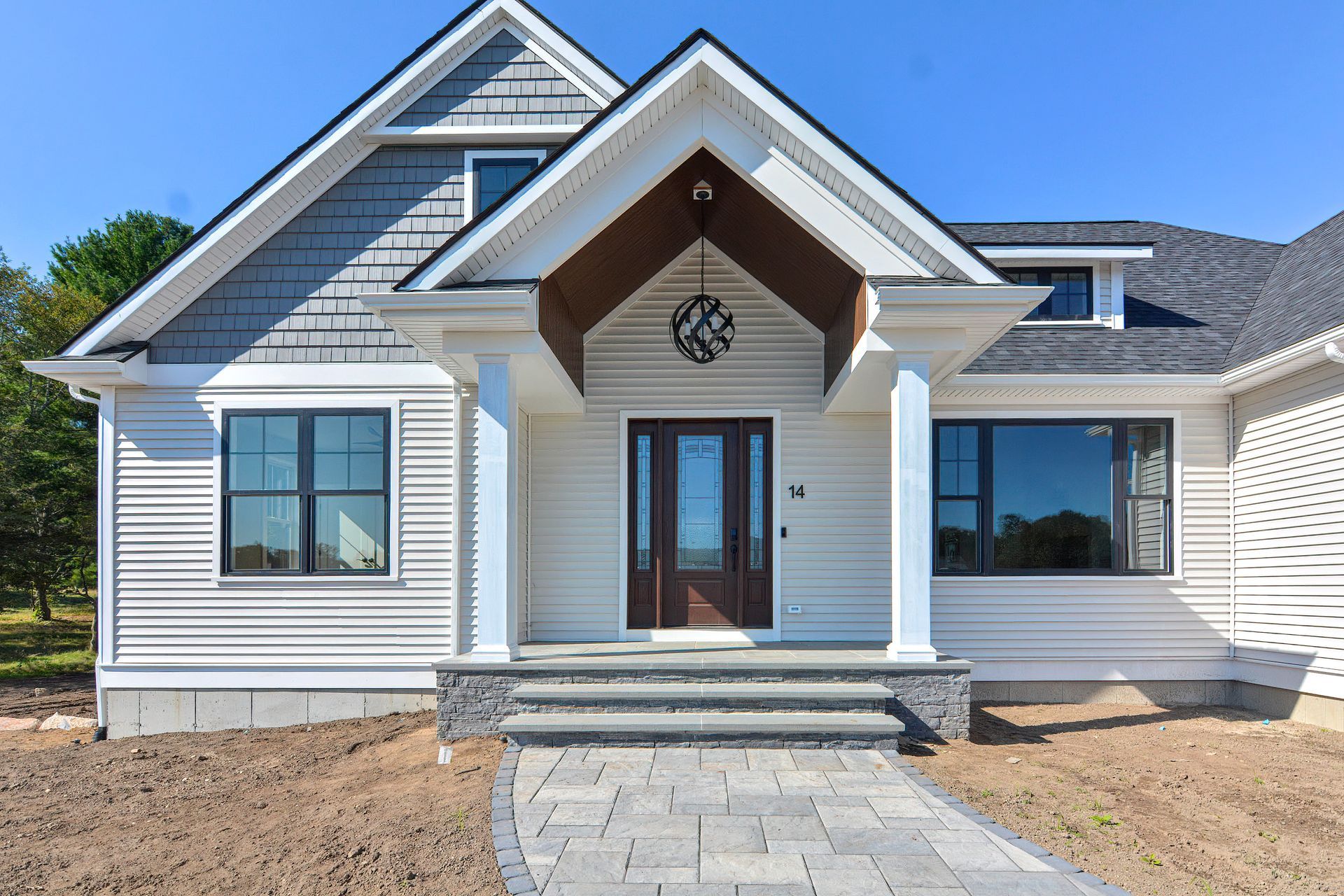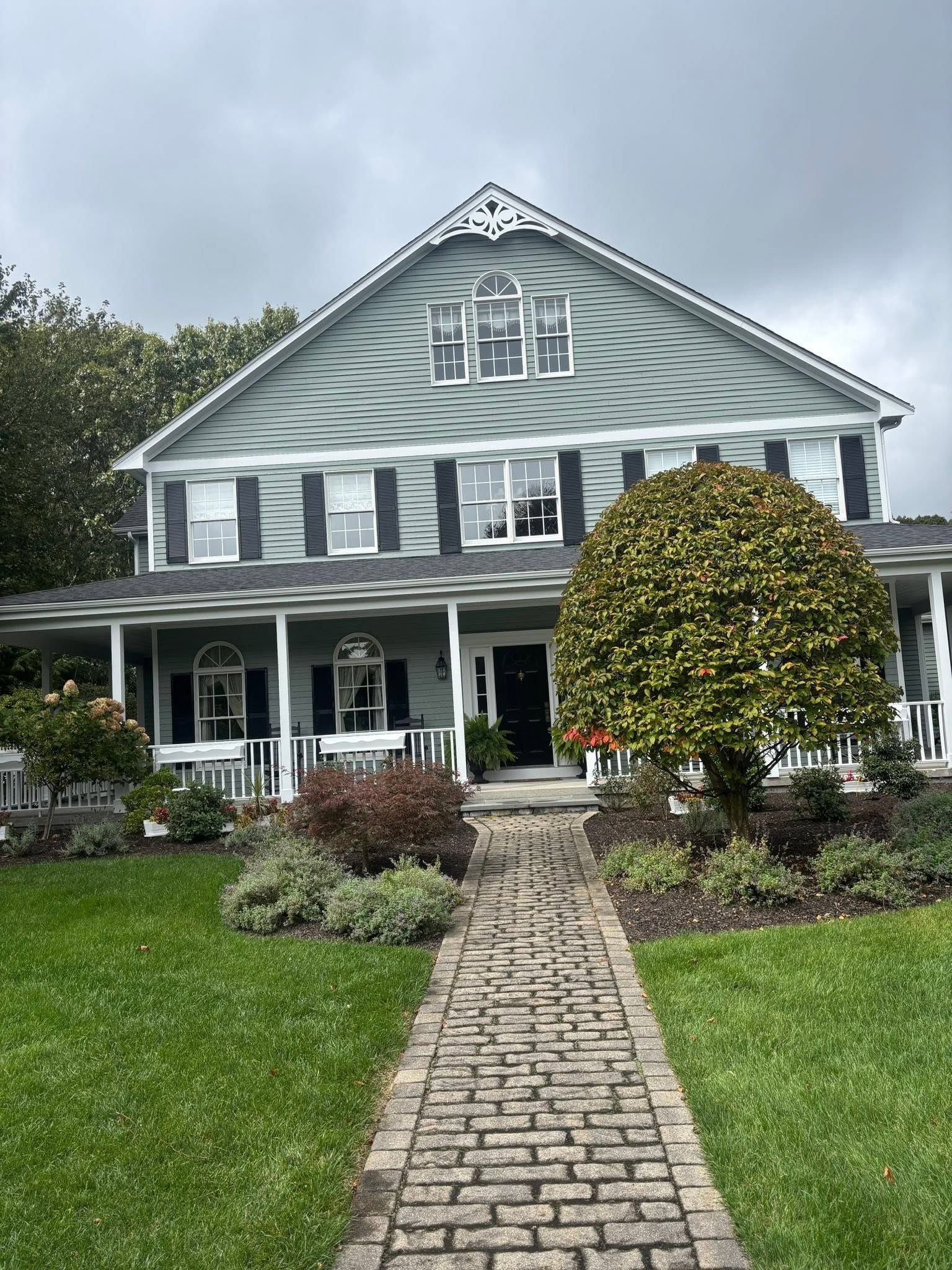
A fresh coat of paint can dramatically improve the appearance of a home while also helping protect exterior surfaces from weather-related wear. However, the success of any professional painting project depends on more than the skills of the painting crew. Homeowners also play an important role in ensuring the process runs efficiently and safely from start to finish.
Preparing your household before work begins can reduce delays, protect your belongings, and create a smoother experience for everyone involved. Whether the project involves siding, trim, porches, decks, or other outdoor surfaces, taking a few practical steps beforehand can make a significant difference. Understanding what to expect before an exterior painting project begins allows homeowners to feel more confident and helps crews focus on delivering high-quality results.
Understanding the Scope of the Project
Reviewing the Timeline and Work Schedule
One of the first steps in preparing for professional exterior painting is to understand the project's expected timeline. Painting contractors typically provide an estimated start date, completion date, and daily work schedule. Weather conditions, surface preparation requirements, and the size of the property can all influence the duration of the project.
Discussing the schedule in advance helps homeowners plan around temporary inconveniences. Family members may need to adjust outdoor activities, parking arrangements, or work-from-home routines while crews are present. Knowing when painters are expected to arrive and leave each day also helps establish clear expectations and minimize surprises.
Because exterior projects are highly dependent on weather conditions, homeowners should remain flexible when scheduling. Rain, excessive humidity, or temperature fluctuations may require adjustments to ensure paint adheres properly and achieves the desired finish.
Identifying Areas That Will Be Painted
Before work begins, homeowners should carefully review the areas included in the project. While some jobs focus solely on siding, others may include trim, shutters, doors, porches, decks, garages, fences, or additional exterior features.
Having a detailed understanding of the scope allows homeowners to prepare affected areas appropriately. It also creates an opportunity to discuss any concerns regarding surface repairs, color selections, or accessibility requirements before the crew arrives. Clarifying these details early helps prevent misunderstandings later in the process.
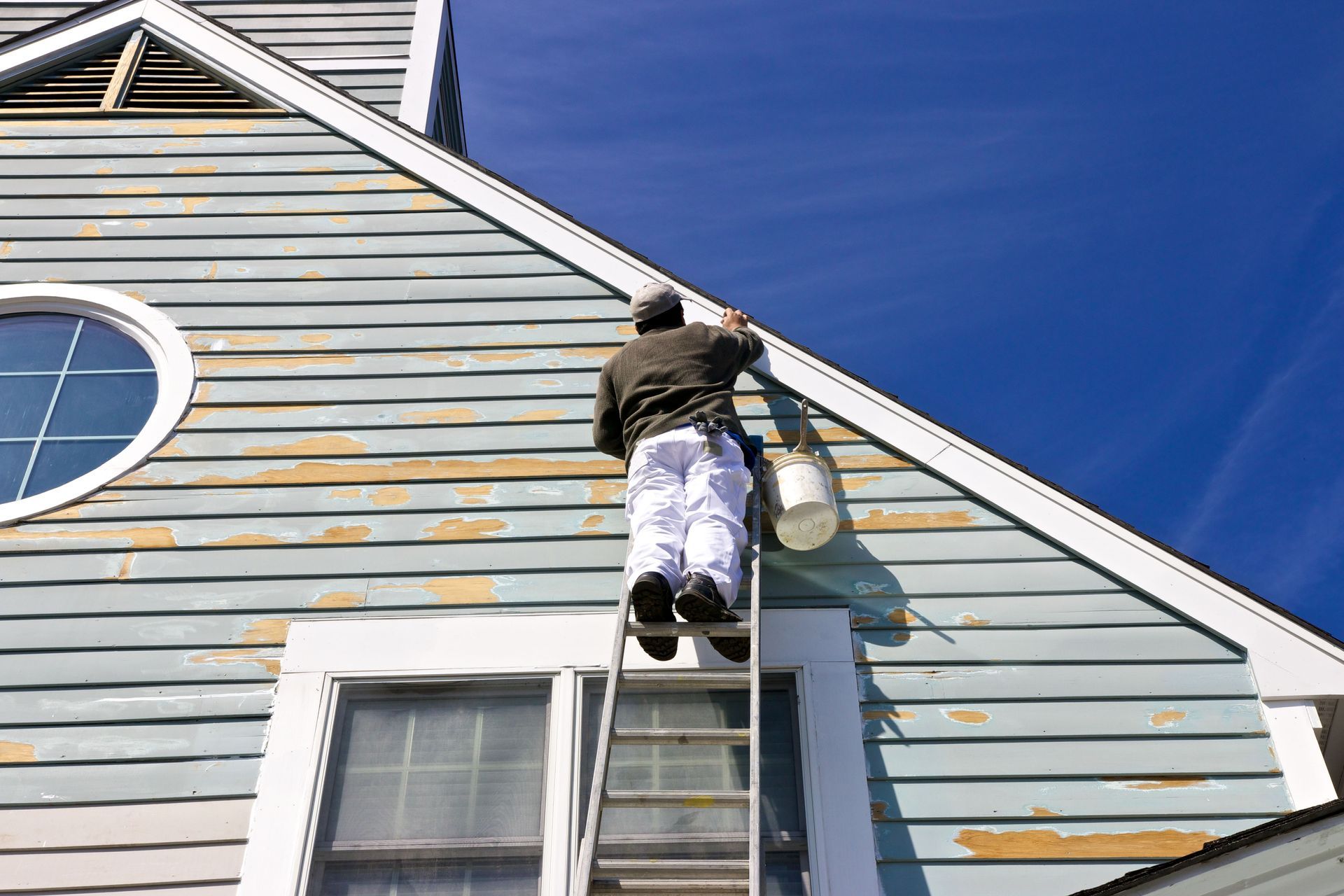
A thorough project review can also reveal areas that may need special attention. Damaged wood, peeling paint, or signs of moisture intrusion may require repairs before painting begins. Addressing these issues proactively contributes to a longer-lasting finish.
Confirming Paint Colors and Finishes
Color selection is often one of the most exciting parts of any exterior painting project. Before the first brush or sprayer is used, homeowners should verify all color choices and finish selections with their contractor.
Viewing samples under different lighting conditions can help avoid unexpected results. Exterior colors often appear different outdoors than they do on small sample cards. Confirming these decisions ahead of time eliminates delays and ensures the final appearance aligns with expectations.
Taking time to finalize colors before work begins also allows painters to order materials efficiently and maintain project momentum. Once preparations are complete, crews can focus entirely on transforming the home's exterior.
Preparing Outdoor Spaces and Property Features
Moving Outdoor Furniture and Decorations
One of the simplest yet most important preparation tasks involves clearing the work area. Outdoor furniture, grills, potted plants, garden decor, and seasonal decorations should be moved away from surfaces scheduled for painting.
Creating unobstructed access allows painters to work safely and efficiently. It also helps protect your belongings from dust, paint splatter, and equipment movement. While professional crews take precautions to safeguard surrounding areas, removing valuable or delicate items provides an additional layer of protection.
Homeowners should also consider temporary storage locations for these items throughout the project. Keeping outdoor spaces organized helps prevent accidental damage and allows painters to complete work without unnecessary interruptions.
Trimming Landscaping Around the Home
Trees, shrubs, vines, and flower beds can sometimes interfere with painting access. Trimming vegetation away from the home's exterior creates a safer work environment and allows painters to reach all surfaces more effectively.
Branches that rest against siding can complicate preparation and application efforts. Overgrown landscaping may also trap moisture against painted surfaces, contributing to premature wear over time. Creating adequate clearance benefits both the painting process and the long-term condition of the home.
Homeowners should not feel obligated to perform extensive landscaping work themselves. However, addressing obvious obstructions before the project begins can help crews remain on schedule and achieve better overall coverage.
Creating Safe Access Around the Property
Professional painters often use ladders, scaffolding, and specialized equipment to reach elevated surfaces. Ensuring clear pathways around the home allows crews to move safely while transporting tools and materials.
Vehicles should be relocated if they block access to work areas. Gates should be unlocked when necessary, and any obstacles that could interfere with equipment movement should be temporarily removed. Homeowners may also want to notify neighbors if work is expected near shared property lines.
These simple preparations help maintain safety while allowing painters to focus on surface preparation and paint application rather than navigating avoidable obstacles.
Safeguarding Your Household During the Painting Process
Protecting Indoor Areas Near Exterior Walls
Although the work takes place outside, certain interior spaces may experience minor disruptions during an exterior painting project. Vibrations from scraping, sanding, or equipment setup can occasionally affect items mounted on walls or displayed on shelves.
Homeowners may wish to remove fragile artwork, mirrors, or decorative items located on walls adjacent to exterior work zones. Taking this precaution helps prevent accidental damage while providing peace of mind throughout the project.
Keeping windows closed during active work periods can also help reduce the amount of dust entering the home. While professional painters strive to maintain a clean worksite, minor airborne particles are often unavoidable during preparation activities.
Planning for Children and Pets
Exterior painting projects involve equipment, ladders, cleaning materials, and active work areas. Families with children or pets should establish clear boundaries to keep everyone safe while crews are working.
Children may be naturally curious about the painting process, but active work zones should remain off-limits unless accompanied by a responsible adult. Similarly, pets should be kept indoors or in secure areas away from painters and equipment.
Maintaining these safety measures protects both household members and workers. It also helps prevent disruptions that could slow progress or create unnecessary risks during the project.
Communicating With Your Painting Team
Open communication contributes significantly to a successful painting experience. Homeowners should feel comfortable discussing concerns, asking questions, and confirming expectations throughout the project.
Providing accurate contact information ensures crews can quickly communicate schedule changes, weather-related adjustments, or discoveries that require homeowner input. Regular communication also allows issues to be addressed before they become larger concerns.
Professional painters appreciate proactive homeowners who remain engaged without interfering with the work. Establishing a collaborative relationship helps create a positive experience and often leads to better overall results.
Preparing for exterior painting also includes understanding the value of proper maintenance after the project is complete. According to HomeGuide, exterior paint may remain effective for anywhere from three to 20 years, depending on climate conditions, geographic location, siding materials, and the quality of the paint products used. This wide range highlights the importance of choosing quality materials and maintaining painted surfaces over time.
Preparing your household for a professional exterior painting project involves much more than selecting a new color. Careful planning, property preparation, and clear communication can help ensure the project proceeds efficiently while protecting your home and belongings throughout the process.
By reviewing the project scope, organizing outdoor spaces, and making simple household adjustments, homeowners can create an environment that supports successful results. When both homeowners and painting professionals work together, the outcome is a beautiful, durable finish that enhances curb appeal and helps protect the property for years to come. For professional exterior painters you can depend on for the entire home painting process, reach out to Ma & Pop's Painting!